
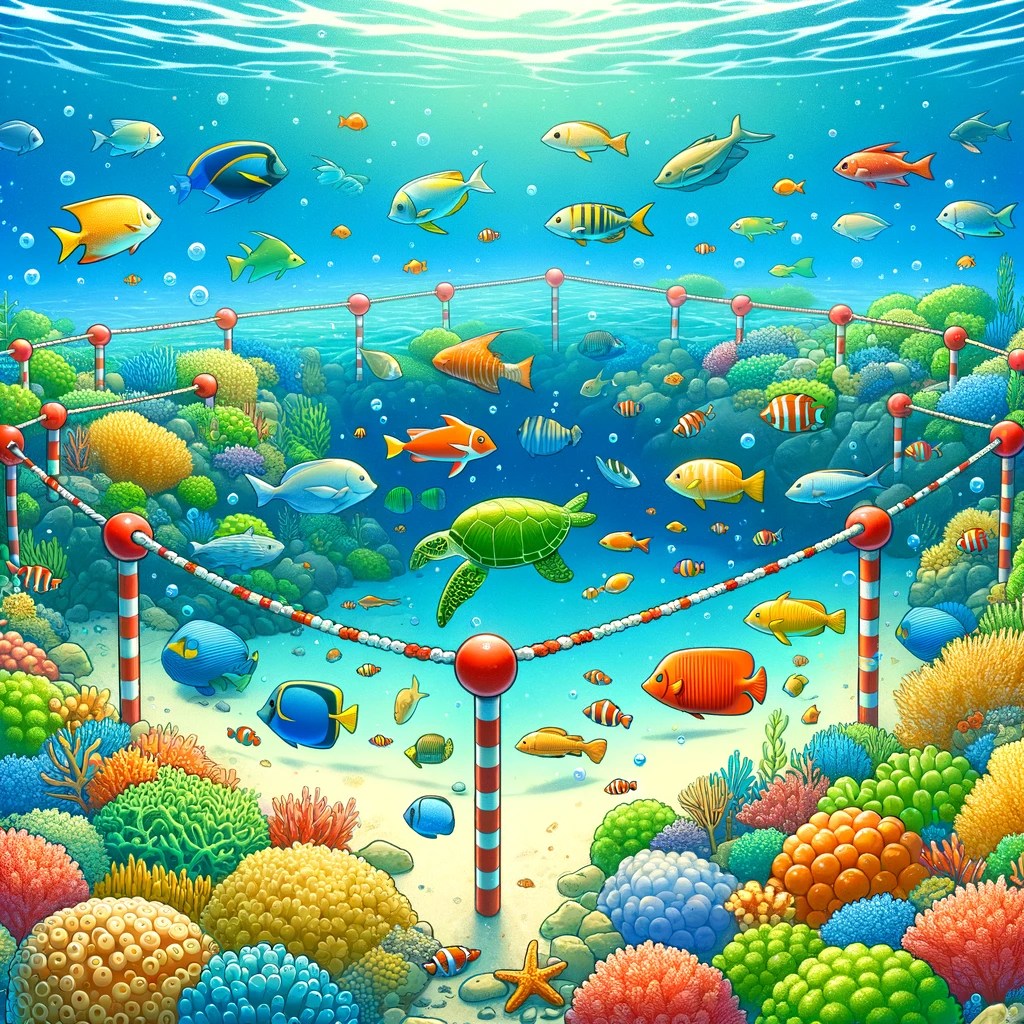
The oceans are not just vast expanses of water; they are rich, diverse ecosystems that are crucial to the planet’s health and our survival. Marine Protected Areas (MPAs) have emerged as vital tools in the conservation of these precious ecosystems.
MPAs are sections of oceans where human activities are more rigorously regulated than the surrounding waters. These areas are designed to conserve marine life and habitat, allowing ecosystems to flourish and recover from overuse. Within the boundaries of an MPA, activities like fishing, drilling, and mining are often restricted or entirely prohibited.
The benefits of MPAs are numerous. They serve as safe havens for endangered species, nurseries for young marine life, and refuges where ecosystems can regenerate. MPAs also help preserve the natural balance of marine environments, ensuring that species such as fish, corals, and marine mammals can thrive.
Beyond ecological benefits, MPAs have significant socio-economic advantages. They support fisheries by allowing fish populations to regenerate and grow, leading to more sustainable fishing outside the protected areas. They also boost local economies through eco-tourism, offering opportunities for activities like snorkeling, diving, and educational tours.
However, the success of MPAs depends on proper management, adequate enforcement, and community involvement. It’s crucial that these areas are not just lines on a map but effectively managed sanctuaries where marine life is genuinely protected.
As global citizens, we can support the creation and maintenance of MPAs by advocating for policies that protect marine environments, supporting sustainable seafood choices, and spreading awareness about the importance of ocean conservation.
Marine Protected Areas represent a hopeful stride towards preserving our oceans. By safeguarding these crucial ecosystems, we’re not just protecting marine life; we’re ensuring a healthier planet for future generations.


Leave a Reply